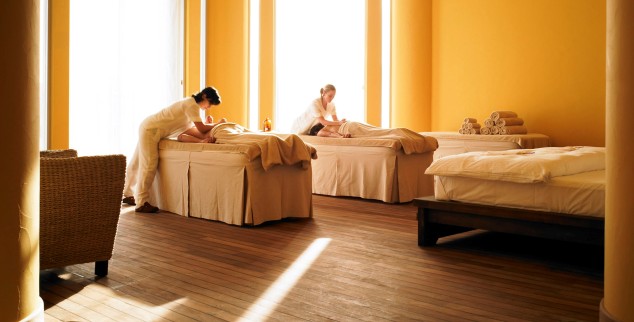
Feature news

Showing posts with label Fitness. Show all posts

Tai chi more effective than yoga?

webkit-text-stroke-width: 0px; background-color: white; border: 0px none; color: #333333; font-family: Tahoma, Arial, Verdana, sans-serif; font-size: 13px; font-style: normal; font-variant: normal; font-weight: normal; letter-spacing: normal; line-height: 19px; list-style: none; margin: 0px; orphans: auto; outline: none; padding: 0px 0px 1em; text-align: start; text-indent: 0px; text-transform: none; white-space: normal; widows: auto; word-spacing: 0px;"> This graceful form of martial exercise is being touted as the more effective option to yoga.
After years of being exalted as an exotic form of martial arts, Tai chi is now seen by the medic world has an answer to most physical grievances. Week after week, researches are bringing to light the many healing benefits of this form, which includes it being beneficial to people suffering from osteoarthritis, diabetes, musculoskeletial pain triggered from working on computers. It is also being looked upon as an alternative option to yoga.
Tai chi is a series of bodily movements that’s performed in a slow and graceful manner, each movement flows to the next without a pause. The technique was first introduced by a Taoist monk who got his inspiration from watching a crane and snake at war. Says Sensei Sandeep Desai, “Tai chi is largely under-utilised here! I’ve been teaching Tai chi for more than two decades, and I see only those who are spiritually inclined trying to learn this form. But Tai chi is more than just a form that helps you spiritually or helps you attain flexibility. It’s an internal form of martial arts, deep and profound. It is not meant for instant gratification or instantaneous results.”
Purnima Shah feels that Tai chi helped to bring an attitudinal change in her when dealing with chronic back problems. “It instilled a more positive attitude, and helped me divert my mind from the pain. The pain has reduced to large extend, and my body is no longer stiff, ” she shares.
About Tai chi being seen as a better form of yoga. “I have specialised in both tai chi and hathyoga. The stretch in tai chi is not done at the cost of causing discomfort. This is significant, as when you stretch beyond a certain point, the body goes into a shock and recoil state, this is bad in the long run. Tai chi does not encourage that, and usually follows the movements of a cat. Sleep and stretch just enough to be able to spring back into action,” explains Desai.
With varied benefits like efficient breathing, flexibility, balance, calm and reduction of stress hormones with minimum effort, it’s not surprising that tai chi is taking over yoga.
Types of Tai Chi
Chen Style Tai Chi
Chen style Tai Chi Chuan is the oldest form of Tai Chi from which all the other styles derived. Chen style is known for its lower stances, silk reeling, jumps, stamps and Fa Jing encapsulated within a smooth flowing powerful form.
Yang Style Tai Chi Chuan
Yang Style Tai Chi are arge and relatively simplified movements and is the most popular styles practiced in the world today.
Sun Style Tai Chi Chuan
Sun-style Tai Chi is recognised by its small high postures with flowing movements forwards and backwards accompanied by connected arms movements.
Lee Style Tai Chi
Lee Family Tai Chi can be traced back to Ho-Hsieh. His teachings looked at all aspects of Chinese health and martial arts.
Guang Ping Tai Chi
This form incorporates a solid differentiation between yin and yang, as well as a number of well-defined silk drawing movements. Made up of 64 movements which relate to the sixty four hexagrams of the I Ching.
8 Diamond Form Tai Chi Chuan (8 Energies)
8 Diamond Form Tai Chi Chuan Form is based on the foundations of the eight key energies: peng, lu, ji, an, leigh, tsai, kao, zhao. These energies are fundamental to the practice and development of any Tai Chi Chuan Form and any Tai Chi Chuan practitioner. This form is short, simple and has a lot of depth. Source –Times of India
CLick here to visit our site for more on this category.
Learn more »

A simple tea meditation

Over the years that I’ve been running Samovar Tea Lounge in San Francisco, I’ve found that life doesn’t actually get better when we’re distracted -- surfing online, updating our status, checking the news, generally immersed in our devices. Life gets better when we’re connecting with real people in real time. Not to mention that the less time we spend on our devices, the more time we have to actually do something. Write something. Create something. Taste something.

The ritual of tea -- boiling the water, brewing the leaves, and sipping the infusion -- does something that little else in life does these days: It gives us a little hiatus, a break in the action. Compared with the nano-gap we might get while waiting at a stoplight or grabbing a quick espresso, this is time we can actually dive into and enjoy.

We’re not talking hours here. Try 10 minutes and see how you feel. It doesn’t need to be complicated. Pay attention to each step, take your time, and you may find that for the rest of your day you’re a little more relaxed, present, and cheerful.

1. Buy some good tea. Wholeleaf tea is generally fresher and better tasting -- you get more bang for the buck. Look for consistency in size, shape and color. I recommend unflavored tea, because it’s generally better quality. And it’s a fraction of the cost of tea bags or coffee.

2. When you’re boiling the water, just boil the water. Don’t do anything else. If you have a glass kettle, watch the bubbles go from tiny to large to roiling. Notice your breath and allow this experience to set the tone. The Earth is mostly water. You are mostly water. Water is a miracle, and so is heat. Enjoy them.

3. Add about one cup of boiled water to one heaping tablespoon of tea. Steep the leaves for only one minute. I like to use a generous amount of tea leaves to maximize their flavor and caffeine and brew it quickly. Notice the steam wafting up. Notice the aromas arising out of your cup. Breathe easy.

4. Remove the infusion and just sit with the tea for two minutes. Let it cool slightly and notice the color of the brew. Enjoy the aroma in the air. Feel the ceramic in your hand. Appreciate the fact that this infusion was made possible by someone thousands of miles away who picked the leaves.

5. Now is the time to drink your tea. Sip slowly. Pay attention to the temperature. Is it hot, warm or cool? Notice the taste. Is it earthy or grassy or floral? How does the body of the tea feel in your mouth? Creamy and full, dry and thin, heavy or light? You might notice that taking this time to enjoy just one activity enriches all the others in your day. That’s not because the activities have changed. But you have. Source - huffingtonpost.com
Learn more »

11 tips for conquering gym anxiety

Many of the people featured in our inspiring weight loss success stories express similar forms of gym anxiety. Going to the gym certainly isn't the only way to get fit, but in some cases the anxiety is so strong it prevents people from working out entirely -- and from reaching their health and fitness goals.

We firmly believe that the gym doesn't have to be such an intimidating, unwelcoming place. Which is why we asked our Facebook and Twitter pals to offer their very best advice for conquering this crippling fear that you don't belong. Here are some of our favorite responses:

Don't care what other people think. Do it for you. --Amber Renee Knight

We're all there for the same reason. Just go! It may change your life! --Kerri Murphy Wolendowski

Find one machine that feels like an easygoing, comforting warm-up. Start there each time. --Zan LeStat Ferris

I did initially, especially lifting weights (that's where most of the men are). I faked confidence until I really did feel confident. I'm there to be the best me I can and that's it. --Beverly Kelley Jeter

Start on something simple. Take a class. Start with a few simple machines and use light weights. ASK someone. Gym managers will show you how to use the equipment. Go when it's not busy and you will feel more relaxed. As long as you go, most people are willing to help. --Cheryl Davis

Realize that everyone else is self conscious too and more worried about their own looks than yours. --Shauna Carpenter

Think about yourself. Ignore those thoughts that weigh you down. You will find that you succeed. Now, who wants to work out! –Walter. Source - huffingtonpost.com
Learn more »

What are the different types of Spa?


The idea of a luxury spa holiday is always a particularly attractive one but which type of spa is for you? At Health and Fitness Travel we have many different types of spa holidays ranging from Destination Spas to Ayurveda spas, Medical Spas and more traditional spas.
A spa holiday allows you to enhance your spiritual awareness, heal emotional distress, rid the body of toxins, improve circulation and give the mind and body a chance to fully repair and relax from the stresses of daily life.  However, you may not be aware of all the variations of spas, and the extensive range of treatments they provide; so how do you know which type of spa is right for you? From healthy spa breaks to wellbeing holidays we give you a breakdown of 7 different types of spas and 7 different healthy holidays to help you decide which one is best for you.

Traditional Spa


A traditional spa brings together an extensive range of spa treatments and therapies with the purpose of improving health, beauty and relaxation, resulting in an unforgettable spa experience. It is likely to contain facilities such as a Jacuzzi, sauna and steam room that you may use in addition to your treatments. It could also include hydrotherapy circuits, a fitness centre and swimming pool.


Aphrodite Hills, Cyprus, spa outdoor pool
The view from the spa at Aphrodite Hills


Aphrodite Hills - Cyprus


This traditional Mediterranean health and fitness resort on the island of Cyprus combines fine accommodation with a state-of-the-art spa, gym, tennis academy and golf course. The Retreat Spa overlooks the resort, with wide sweeping views of the Mediterranean Sea, and is a Greco-Roman inspired haven for the indulgence of mind, body and soul. It has 27 treatment rooms where a number of tranquil therapies are delivered by an expert team of therapists. The idyllic location, only 15 minutes from Paphos, allows you to be as active or relaxed as you wish.

Destination Spa


A destination spa will provide you with a comprehensive healthy holiday programme that includes spa treatments, physical fitness activities, holistic exercise classes, wellness lectures and healthy cuisine. It is typical for guests to actively partake in the programme at the spa and fully integrate it into their wellbeing holiday, rather than visiting for a one-off treatment whilst at the destination.


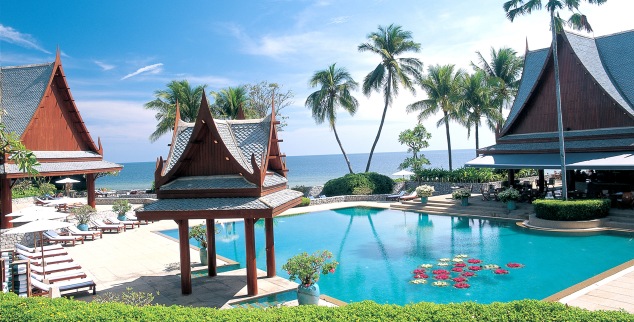
Chiva Som, Thailand, pool view
The stunning pool area at Chiva Som


Chiva Som - Thailand


This world-renowned award-winning Thai spa emphasises healthy relaxation and holistic therapies to make your stay as tranquil as possible. Dedicated to reaching total well-being, Chiva Som takes you on a journey of healthy living. From stress relief and weight management, to detox and fitness, expert health and wellness advisers utilise the best in modern, specialist and complementary medicine and spa treatments to create a dedicated programme for you to embark on your own personal wellness journey.

Relaxation and Pampering Spa


A relaxation and pampering spa is characterised by being owned and located within a resort, providing professional relaxation and beauty treatments. It typically does not extend to other areas of the resort but rather remains within its own spa centre, offering first class treatments such as personalised massages, body scrubs, hydrotherapy treatments and thermal circuits.


Reads Hotel, Mallorca, outdoor pool Vespasian Spa
The outdoor pool at Reads in Mallorca


Reads - Mallorca


Reads Hotel is a beautiful boutique retreat at the base of Mallorca’s Tramuntana Mountains, where guests can relax and unwind in quiet seclusion. The converted estate house holds only 23 rooms, allowing for an intimate stay, and at the core is the world-class Vespasian Spa, designed to relax the mind and body in a beautiful setting. Aside from the spa you can take part in a range of outdoor pastimes that include cycling, horse-riding, tennis and yoga.

Ayurvedic Spa


From the Sanskrit meaning “The knowledge for long life”, traditional Ayurveda medicine is an ancient Hindu healing system. This concept improves one’s health and well-being by creating a balance between mind, body and spirit through an assessment of lifestyle. Treatments are based on herbal preparations, diet, purification and yoga. It is widely regarded as the oldest form of healthcare in the world and is viewed as a more popular choice for a healing holiday.


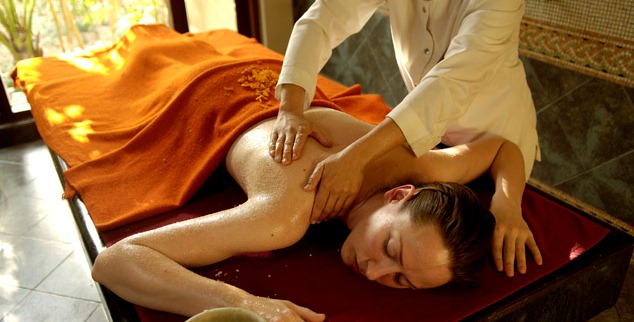
Ananda, India, exfoliation treatment
An exfoliliation experience at Ananda


Ananda - India


Set at the foot of the Himalayas, Ananda is a spiritual retreat that creates unique programmes designed to extend your health and unite your body and soul. Ananda’s 24,000ft² spa uses over 80 different body and beauty treatments including a selection of traditional Ayurveda therapies, facials, massages, exfoliation, hydrotherapy and many more. You can also participate in different activities that the spa has to offer such as yoga, meditation and a variety of exercise classes.

Medical Spa


Medical spas, also known as medi-spas, offer medical services as well as traditional spa therapies, often in a spa like environment. The treatments generally focus on one of two areas — aesthetic enhancement or wellness. They have become more popular in recent years for both men and women. A medical doctor overseas the spa and typically provides a health consultation before your stay, whilst other medical professionals, such as physiotherapists, osteopaths, and aestheticians, handle the daily spa treatments and therapies.


Longevity Wellness Resort, Portugal, spa tea lounge
The Spa tea lounge at Longevity Wellness Resort


Longevity Wellness Resort - Portugal


This luxurious mountain resort and spa, overlooking the Algarve coastline, offers natural medical procedures to help harmonise your system. Through highly personalised evaluations and consultations, you can expect improved mental clarity, inner balance, a lessening of tension and a complete re-energisation of body and mind. The spa also readdresses the way you look at yourself, aiming to completely readjust and improve the way you look and feel.

Thermal Spa


A thermal spa is built around a hot spring that is formed from heated water from the earth's crust. The heat from the thermal waters increases blood flow and body metabolism, bringing improved nourishment to vital organs and muscles and aiding digestion, whilst removing unwanted toxins from the body. Additionally, as heated water can hold more dissolved solids, thermal waters often contain a high number of minerals that can have a number of healing benefits and therapeutic values, offering pain relief from all kinds of different types of injuries and ailments, as well as skin conditions.


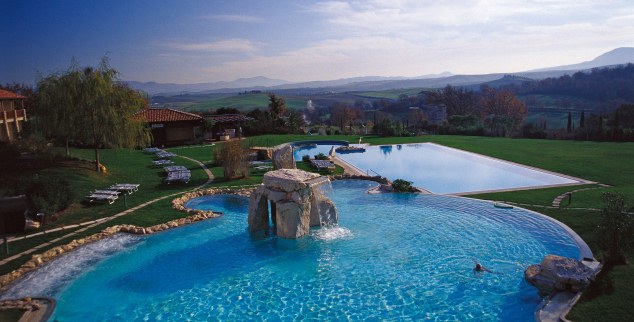
Adler Thermae, Tuscany, pools
A view of the pools at Adler Thermae in Tuscany


Adler Thermae - Tuscany, Italy


Adler Thermae is located 300m from the romantic town of Bagno Vignoni, in the heart of Tuscany’s natural park, Val d’Orcia, famous for its thermal waters and hot springs. The spa is set upon its own spring where the waters are obtained from the earth’s crust and enriched with valuable minerals and sulphurs, which can have positive effects on your whole body, especially benefiting the skin, bones and joints.

Hammam Spa


Created around the time of the Roman Thermae and built on traditions of communal bathing and cleansing that evolved over thousands of years, today's urban Hammam spa experience has been formed. The Hammam allows refreshing essential oils to be infused in the air as the steam is absorbed through your pores, helping to cleanse and relax you and release built-up stress and toxins. Now popularised as a Turkish tradition, this Middle Eastern variant of a steam bath can be seen as a wet alternative to the sauna.


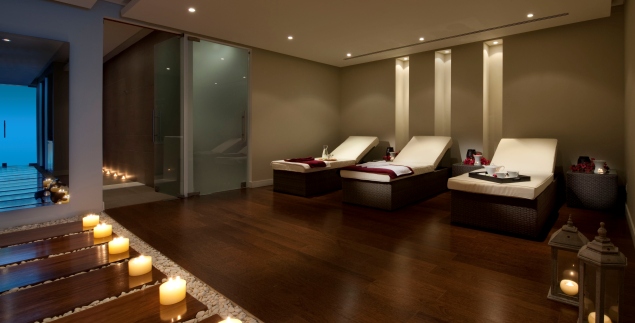
Kempinski Barbaros Bay, Bodrum, Turkey, private spa zone
The private spa zone at Kempinski Barbaros Bay

Kempinski Barbaros Bay - Turkey


Kempinski Barbaros Bay in Bodrum, Turkey, looks out over the Aegean Sea from the hillside above the bay, set in an area of unspoilt natural beauty. You can harmonise your body’s energy with the treatments and therapies on offer at the Six Senses Spa, which includes two traditional Turkish hammams, and enjoy daily holistic activities such as yoga, Pilates and stretching. Source-Healthandfitnesstravel.com
Learn more »

Core Yoga poses

Core yoga poses help in developing core strength and obtaining a flat and toned abdominal region. These poses are gaining a lot of popularity all around the globe due to the effect they have on the midsection of the body. Apart from the cosmetic benefits, a powerful core helps in preventing injuries and diseases and also provides assistance in performing other yoga poses.

The basic concept of core yoga is to teach the body to maintain its balance and thus support a healthy spine. Core yoga poses are an amalgamation of the traditional yoga and modern techniques of stretching and strengthening.Core yoga poses help to strengthen the whole body, especially the muscles in the back and abdomen. The movements are performed slowly and precisely, while maintaining focus on breathing. This helps in improving oxygenation of the blood and also relaxes the mind. Core yoga poses also provide a strong foundation for beginners who can increase their strength and flexibility.

Core Yoga Poses Benefits

As mentioned earlier, core yoga poses benefits are numerous. Apart from developing physical strength, they also help in relaxing the mind. The practice of these poses helps in healing, detoxifying, and stimulating the body.

A few core poses are as follows:

Marjaryasana (Cat Pose): This poses gently massages the spine and the stomach

Dolphin pose: Also a variation of the Adho Mukha Svanasana (Downward Facing Dog Pose), this is a shoulder opening pose. It strengthens the arms and legs

Bakasana (Crane Pose): This is a pose in which one has to practice compact arm balance. This pose enhances the strength of arms and stimulates the organs in the abdomen.

Plank Pose: In this pose, the body posture resembles a plank. This pose is a great precursor to more challenging exercises of the arm.

Dolphin Plank Pose: This pose is a modification of the plank pose and combines the dolphin pose with the plank pose. This helps in strengthening and toning of thighs and arms.

Ananda Balasana (Happy Baby Pose): This pose helps in gently bringing more awareness to the area of hips

Paripurna Navasana (Full Boat Pose): In this pose, one has to balance the body on the tripod of the sitting bones. This enhances the strength of abdomen and deep hip.

Anantasana (Side Reclining Leg Lift): This is a side reclining pose that stretches the back portion of legs and the side of torso. It also helps toning the belly. Source- Yogawiz.com

 
Learn more »

What is Yoga? learn the basics of Yoga

Yoga is an ancient Indian practice dealing with the well being of human mind, body and spirit. The principles of yoga, called Yogasutra, were given by Patanjali, a saint philosopher and a physician, who lived around 3 centuries before Christ. He is known as the founder of yoga. These sutras are timeless and hold true even today. They help you to lead a blissful life by improving your physical, emotional and spiritual well-being.

Who can practice Yoga?

Yoga is a series of exercises that is performed to improve health and flexibility. People of any age, sex or any fitness level can practice yoga. The beauty of yoga is that it is highly flexible, so you can modify yoga techniques to meet your need. If you have mobility problems, use chair to perform yoga. Office-goers can try the deep-breathing practices to relieve their stress. Sportsmen and physically active people can use the strengthening techniques to enhance their activities. Children can increase their attention span by using yoga techniques. Seniors can use yoga techniques to improve the body mobility and the flexibility of their joints. Doctors recommend yoga practices for the people with cardiac problems.

What is yoga?

Yoga comes from the Sanskrit word "yuj" which means to unite or to join. Even though, people tend to think that yoga is a series of exercises with twisted body poses, it is not so. Basically, it helps you to connect with your inner spirit, which is essentially divine and is connected to the universal spirit or God.

Types of yoga's

Although people associate yoga with only exercises or asanas as they are commonly called, yoga is of many types. The most popular type is Hatha Yoga. This type of yoga contains various types of asanas and is beneficial in improving the body strength and flexibility. Karma yoga teaches you the way of right action without expecting the fruits of labour and offering the activity as the service to almighty. You learn devotion and unconditional love for the divine by Bhakti Yoga. Answer to your deeper questions like: who am I, Where do I come from, - come from Jnana Yoga. Control your mind and be free from worldly attachments by practicing Raja Yoga. Kundalini Yoga releases the energy present in the chakras or energy centers in your body by teaching you deep breathing. Tantric Yoga worships the feminine energy and teaches you to look at your body as a source of divine.

Benefits of yoga

Unlike modern day exercises, which concentrate only on the body or on the mind, yoga techniques provide a holistic approach towards your welfare. Asanas help you to improve your strength and flexibility, so that you can carry out your daily activities unhindered. Deep breathing techniques help in removal of toxins in the body and aid in relaxation. Yoga can be a great weight loss and toning tool. It helps in healing and nourishing the body. Meditation calms your mind and gives you clarity of thought.

The major benefit of yoga is that it doesn't need any special place or equipment or clothes. All you need is mat and loose fitting clothes. Thus you can practice yoga even when you are away from your home.

Creating a yoga environment

Yoga can be practiced at any time of the day. Choosing to practice in the morning energizes you and the relaxed, soothing practice helps to wind up in the evening. The room should be airy, clean and well lit. Avoid air conditioners. Play soft music or yoga cassettes and keep incense sticks in the room to clean the air. If possible, keep some flowers in the room.

Tips for great yoga practice

Yoga can be practiced at any time of the day. Choosing to practice in the morning energizes you and the relaxed, soothing practice helps to wind up in the evening. The room should be airy, clean and well lit. Avoid air conditioners. Play soft music or yoga cassettes and keep incense sticks in the room to clean the air. If possible, keep some flowers in the room.

Adopt a positive attitude. Set manageable goals. Start with simple exercises and as you progress, increase your intensity. Record your progress so that you can note down your experiences, thoughts and anything else. Practice yoga on an empty stomach or 3 hours after a meal. Avoid smoking, drinking, drugs, non-veg and fried foods. Keep your meals simple. Do your practice at the time convenient to you. But mornings till 9.00 am are preferable since they are neither too hot nor cold.

Why is yoga necessary in a daily routine?

Dealing with stress is becoming a very important part of living today, and yoga is one of the widely recommended practices that helps to beat the pressures of life today. Understanding how yoga and your health benefits go hand in hand is important so that you are able to live more comfortably and release stress from your body. Begin practicing the various techniques of yoga and your health stress levels begin to diminish within no time at all because your mind and body are both being relaxed at the same time. After learning about yoga and your health, body stress levels reduce considerably, allowing you to live a fuller, healthier life.

Where I can learn yoga effectively and free of cost?

Yoga is a form of relaxation that involves breathing and posture techniques that allow you to relieve the body and mind of unwanted stress. There are various yoga poses that need to be learned in order to ensure that you are following the correct techniques for relaxation. Different yoga techniques require the mastering of different yoga positions, such as the sun salutations, or the Surya Namaskar positions, which are part of the preliminary techniques of yoga. There are various yoga videos that are available over the internet that will help in giving you an audio / visual guide to the correct techniques of yoga that are to be followed.

What are spiritual laws of yoga?

Yoga, like any other form of relaxation and meditation, convenes a certain amount of spirituality through its practice. The spiritual laws yoga path can be attained through concentrated practices of yoga and the various techniques that it has to offer. There are also several books on the spiritual laws of yoga that help in giving an insight into what one can attain through theses relaxation techniques. The spiritual laws yoga practical uses come into effect only after one has mastered the techniques of meditation and relaxation through the various postures at the different levels attained. Spiritual laws exercise will help to distress and detoxify the body over time, and are techniques that should be followed regularly and devoutly. Source- Yogawiz.com
Learn more »

Importance of Yoga and its benefits

You're never too young or too old to reap the health benefits of yoga. Find out how all types of yoga can improve your health.

Yoga, the Sanskrit word for "union", is a practice that uses posture and breathing techniques to induce relaxation and improve strength, and its health benefits may surpass those of any other activity.

Whether you practice yoga to relax, stretch, breathe, meditate, or simply because it's in fashion, you may not realize the numerous health benefits of yoga. And while there are many different kinds of yoga, ranging from the more gentle hatha yoga to the more strenuous, like Bikram yoga (which is performed in a 105°F room) or power yoga, every form of yoga improves your health from head to toe. Here are some of yoga's many health benefits.

Benefits of Yoga to Your Bones, Muscles, and Joints

The physical benefits of yoga are myriad. Yoga keeps your body strong, as it involves all the muscles in your body to hold and balance yoga asanas (poses). The various yoga postures strengthen your feet, legs, hands, abdominals, lower back, legs, and shoulders.

Yoga's stretching and breathing exercises improve your flexibility, helping joints, tendons, and muscles stay limber. People suffering from osteoarthritis or rheumatoid arthritis will see a noticeable improvement in their stiffness, pain, and other arthritic symptoms by practicing yoga poses and postures.

Yoga improves your endurance, especially the more athletic forms of yoga such as ashtanga yoga, power yoga, vinyasa yoga, and Bikram yoga. These rigorous yoga practices follow a specific sequence of poses (asanas) that become more challenging as you progress. Unlike the more gentle hatha yoga, the forms of ashtagna yoga, power yoga, vinyasa yoga, and Bikram yoga require you to keep your body in constant motion between poses, resulting in a strenuous cardiovascular workout and improved core strength.

Hatha yoga can relieve chronic back and neck pain, since the poses and postures gently stretch and strengthen your back and neck muscles.

Yoga is often prescribed to help heal various injuries, including repetitive strain injuries, knee and back injuries, pulled hamstrings, even minor skin burns. Of course, you should consult your physician before using yoga as a treatment for any injury!

Yoga is an excellent weight-bearing exercise that can improve your bone density. This is particularly beneficial for women approaching menopause, since yoga can help ward off osteoporosis, or thinning of the bone.

Benefits of Yoga to the Cardiovascular System

Yoga has tremendous health benefits for your heart. Most notably:

The gentler forms of yoga lower your blood pressure because the asanas (yoga poses, postures, and yoga positions) keep blood flowing evenly throughout your body while you focus on your breathing.

People suffering from hypertension can benefit from yoga tremendously, as hatha yoga can lower your heart rate and blood pressure.

Many practitioners claim that yoga has also lowered their cholesterol.

Power yoga is an excellent form of cardio conditioning, which strengthens core muscles while it keeps blood and oxygen circulating throughout your body.

Benefits of Yoga on Mental Health

Yoga benefits anyone's mental health by helping him or her relax, and it is an effective form of psychological therapy. Yoga reduces anxiety and stress, resulting in better health, better mood, and better concentration throughout the day. Yoga has been used to help treat a wide variety of emotional and mental disorders, including acute anxiety, depression, and mood swings.

Even children can benefit from yoga. Those with attention deficit disorder and hyperactivity can learn to relax and get control by using yoga breathing and yoga asanas.

Because yoga is a form of meditation, it results in a sense of inner peace and purpose, which has far-reaching health benefits.

Yoga has been used to help heal victims of torture or other trauma.

Benefits of Yoga on Other Health Conditions

Do you have frequent headaches? Yoga can rid you of tension headaches and migraines because yoga circulates blood and oxygen to your head, which can often prevent headaches from starting.

A regular yoga practice helps boost antioxidants throughout your body, resulting in a stronger immune system and improved ability to heal quickly from disease or injury.

Yoga can help you lose weight and maintain a healthy weight throughout your life. Power yoga is a vigorous form of yoga that burns calories, resulting in weight loss.

Many women going through menopause report an easing of symptoms when they begin practicing yoga.

Benefits of Yoga in Everyday Life

Yoga can help cure insomnia, as regular yoga practice leads to better and deeper sleep.

Yoga can help fight fatigue and maintain your energy throughout the day.

Yoga is an effective treatment for a variety of autoimmune diseases because it can reduce the symptoms these diseases often cause, such as stiffness, malaise, fatigue, and weakness.

Regular yoga practice will create multiple and noticeable benefits to your health. Try some yoga postures today! And as your instructor will no doubt tell you at the end of your practice. Source- Yogawiz.com
Learn more »

Lose weight with Yoga

Often we blame our genes for us being on the wrong side of the scale. Don't we? But try giving it a second thought and you see will see that there is a lot in our hands. This article gives you an insight to weight loss with yoga and for those who are swearing by their weight and would look to see a new you next time in the mirror.

Weighty Tips!

• Weight loss is all about 80% of eating habits and 20% of working out.

• Aim to lose both body fat as well as overall weight.

• Be regular and more often in your yoga practices.

• Keep the metabolism active by having 5-6 small meals every 2-3 hours. This will also help you in keeping your pseudo hunger at bay.

• Be passionate about your yoga workout. For the passion will help you to go deeper into your yoga practices.

• Be 100% with the food on the dinner table avoid watching T.V or chatting over the phone when eating and have a balanced diet.

• Always remember the 3’d’s of weight loss – discipline, determination and dedication.

The story so Far…. Weight Loss and Yoga:

Can yoga really help losing weight? The basic fact about yoga is that it is an aerobic exercise which can help you get in shape when done at moderate speed. If you are looking for a serious weight loss then it needs to be done under the supervision of a yoga expert and over a period of time. Advantage of yoga is that leaves you fresh and new every time you are done with your yoga workout. The reason behind it being the fact that yoga brings your mind, body and breath on the same platform. This phenomenon makes it more interesting and easy and effective compared to other workouts.

Know the difference between weight loss/inch loss:

Gearing up for your best friend's wedding; you start working out before a month's time so that you are picture perfect on the wedding date. You lost an inch here and there from those places where you wanted it from and you are ready to go. You feel happy about it, the wedding is over and what you notice is that those inches are back where it belonged too after the binging it at the wedding.

For those who looking at weight loss, should chalk out a proper plan with the calendar and set small goals for themselves. These goals should be achievable; they give a lot of confidence when achieved and act as fuel to reach the next set of goal.

Start Your Weight Loss Journey Now

Minding the Mind:

The secret to weight loss is in getting your act right. We tend to find the solution to weight loss in those pills or bottles and the latest crazy diets too. But the truth lies in the fact that there is no other alternative to hard work, torching those unwanted calories in a way which is easy on your body and its fun too. For that you need to set your mind set right. For the mind is where it all starts. If you are here then we assume that you mean serious business and honestly looking for an answer to weight loss.

Control your weight before it controls you:

Age plays an important role in weight loss too, if you are young then the chances of you getting into the shape are high with minimal efforts but it is though for those who are on other side of thirties and looking for weight loss. Once you cross thirties special attention needs to be given to eating habits. Fats, carbohydrates and proteins are the main contents of any meal. Choosing them wisely over the different meals of the day will help you to go long way in achieving your goal. Complex carbohydrates and healthy fats can be a part of your breakfast but including the same for your supper might not be a great idea. Also tracking your diet can help you to give you an idea of where your macronutrients are coming from. Remember to track each and every thing which goes in. This will make you aware of what you are having throughout the day and next time will make you think twice before gulping down your favorite cup cake. The more educate yourself with the food labels, the more you become cautious and avoid them. It's all about bringing it to awareness.

Keep the fun factors going!!

Sticking to your goals and diet plan and achieving those calls for applause. Keep yourself motivated till the goal is accomplished. With your daily yoga routine try to include these over the weekend.

1. Go out with your friends on short trek on the outskirts of the city. Being outdoors help you to be close to the nature and gives you the required break from your yoga schedule.

2. Plan a beach trip – When was the last when you walked barefoot on the white sands of the blue seas and the froth of the waves kissing your feet? Make the best of the beach trip by walking on the never ending shores and don't forget to carry your yoga mat.

3. Bicycle anyone? Bicycling is another outdoor activity which gives you a good workout and with friends around you won't even come to know the distance you have travelled.

It's important to be outdoors as it elevates you, gives you the required break and helps you prepare for the yoga routine coming week. Most important of all is that these activities have helped you torch down calories. You can excuse yourself for the slice of pizza at the end of the day. Source-Art of Living
Learn more »

11 beginner’s Yoga poses


Here are some beginner-friendly yoga positions to help you ease into the awesome art of yoga.


11 Beginner's Yoga Poses To Help You Get Started


1. Mountain Pose


Mountain Pose

Sanskrit name: Tadasana
Benefits: Improves posture, sense of center, mental clarity; solid breathing exercise

How to: Simply stand—feet hip-width apart, weight spread evenly—with your arms at your sides. Then breathe slowly and deeply at an even pace, keeping your neck aligned with the rest of your spine. You can move your hands and arms as you focus; some people take a prayer position or reach up to the sky for a stretch.

2. Downward Facing Dog


Downward Facing Dog

Sanskrit name: Adho mukha svanasana
Benefits: Encourages full-body circulation; a great stretch for calves and heels

How to: Get on all fours with hands and knees shoulder-and-hips-width apart. Walk your hands forward and spread your fingers wide for stability. Curl your toes under and carefully press your hips upward so your body looks like an inverted V with your knees slightly bent. You can get a stronger stretch by keeping your heels on the floor; “walk your dog” by alternately pressing your heels down.

3. Warrior Pose


Warrior Pose

Sanskrit: Virabhadrasana
Benefits: Strengthens and stretches your legs and ankles

How to: Stand with your legs three to four feet apart. Turn out your right foot 90 degrees and your left foot in slightly. Keeping your shoulders down, extend your arms to the sides with your palms down. Lunge into your right knee 90 degrees; keep your knee over your foot and don’t let it go past your toes. Aim your focus over your hand for as long as you like then switch sides.

4. Tree Pose


Tree Pose

Sanskrit name: Vriksasana
Benefits: Improves your balance; strengthens your thighs, calves, ankles, and spine

How to Take mountain pose. Then shift your weight onto your left leg. Keeping your hips facing forward, place the sole of your right foot inside your left thigh and find your balance. When you’re there, take a prayer position with your hands. To kick it up a notch, reach your arms up as you would in mountain pose. Be sure to repeat on the other side.

5. Bridge Pose


Bridge Pose

Sanskrit name: Setu bhanda
Benefits: Strengthens your chest, neck, and spine; great warm-up for more intense backbends

How to: Lie on the floor with your arms at your sides. With your knees bent, press your feet into the floor as you lift your hips. Then clasp your hands under your lower back and press your arms down for support. Lift your hips until they are parallel to the floor as you bring your chest to your chin. Rookie mode: try pillows under your head and/or hips.

6. Triangle Pose


Triangle Pose

Sanskrit name: Trikonasana
Benefits: full body stretch; strengthens thighs, knees, and ankles; relieves backache; well-recommended for pregnant women

How to: Take warrior pose on your right side without lunging into your knee. Then touch the inside of your right foot with the outside of your right hand. Reach up to the ceiling with your left hand. Turn your gaze toward and past your left hand to stretch your back. Don’t forget to repeat it on the other side.

7. Seated Twist


Seated Twist

Sanskrit name: Ardha matsyendrasana
Benefits: gives you an amazing stretch, especially after long hours sitting at the office; works the shoulders, hips, and neck

How to: Sit on the floor and extend your legs. Cross your right foot over the outside of your left thigh. Bend your left knee keeping your right knee pointed toward ceiling. Keep your right hand on the floor behind you to stay stable and place your left elbow to the outside of your right knee. Twist to the right as far as you can, moving from your abdomen. Be sure to keep both sides of your butt on the floor. Do this on both sides.

8. Upward Facing Dog


Upward Facing Dog

Sanskrit name: Urdhva mukha svanasana
Benefits: Stretches and strengthens the spine, arms, and wrists

How to: Lie facedown on the floor with your thumbs under shoulders, legs extended with the tops of your feet on the floor. Tuck your hips downward as you squeeze your glutes. Keeping your shoulders down, push up and lift your chest off the ground. Relax and repeat.

9. Pigeon Pose


Pigeon Pose

Sanskrit name: Eka pada rajakapotasana
Benefits: opens up the shoulders and the chest; great quad stretch

How to: Start in a push-up position, your palms under your shoulders. Place your left knee on the floor near your shoulders with your left heel by your right hip. Press your hands to the floor and sit back with your chest lifted. You can also lower your chest closer to the floor for a stretch. Try it on the other side.

10. Crow Pose


Crow Pose

Sanskrit name: Bakasana
Benefits: Strengthens your arms, wrists, and abs; more of a challenge, but a great trick to pull out at parties

How to: Get into downward facing dog position. Then walk your feet forward until your knees touch your arms. Carefully, bend your elbows and lift your heels off the floor. Rest your knees against the outside of your upper arms. Keep your abs engaged and legs pressed against arms.

You can leave your toes on the floor or if you’re a pro, lift them off and hover. To do this, try to keep tucked tight, with your heels close to your butt. When you’re ready, push your upper arms against your shins and draw your inner groins deep into the pelvis to help you with the lift.

11. Child’s Pose


Child's Pose

Sanskrit name: Balasana
Benefits: lets you relax and breathe into your back; stretches the hips, thighs, and ankles; relieves back and neck pain.

How to: Sit upright comfortably on your heels. Roll your torso forward and bring your forehead to rest on the ground in front of you. Extending your arms forward, lower your chest to your knees as close as you comfortably can. Hold the pose and breathe into your torso. Exhale and release to get deeper into your fold.

Practice these and you’ll be a pro in no time!


11 Beginner's Yoga Poses To Help You Get Started

Source: BuzzFeed


Learn more »

Top Three Yoga Trends

There will be several new yoga trends to try in 2013. As a yoga enthusiast, I find this exciting. Yoga is a popular practice, so many instructors are coming up with fresh ideas. This ancient practice is constantly advancing, giving us numerous options to choose from. The following are the top three yoga trends for 2013, all of which include plyometrics and yoga:

1. Slimnastics

Are you ready to get slim with a fusion of yoga and gymnastics? If so, Slimnastics is the workout for you. Anyone can participate in this workout by purchasing the book and CD offered by Nikki Fitness. This hot new workout mixes plyometric cardio intervals with advanced yoga balancing poses. The plyometric cardio intervals are inspired by gymnastics and include jump tucks and split jumps. Yoga poses include the following:

Firefly Pose

Rock Star Pose (also called wild thing)

Side Crow Pose (also called Side Crane Pose)

Eight-Angle Pose

Watch as Fox News interviews, Nicole Glor, the creator and instructor of Slimnastics. Watch as Glor shows off some of the moves that make this workout unique. In the interview, Glor also shows viewers how this fitness routine can be modified for beginners, but doesn't hold back for those who are advanced. It is ideal that this DVD allows participants to start at level one and work their way to level three.

As one who regularly practices yoga and is a former gymnast, I must say that this workout looks great.

2. Deep EXtreme

Deep EXtreme offers both the natural high one achieves by performing a cardio workout and the tranquility that yoga offers. This workout is offered at Equinox, and it is an interval training workout. Interval training involves periods of high intensity exercises to get your heart rate up, followed by low intensity exercises, allowing you time to recover. Deep EXtreme combines yoga poses for flexibility, cardiovascular exercises, and strength training. It is set to the beat of rhythmic music, offering a play-list that allows you to transition smoothly from one movement to the next. If you take a Deep EXtreme class, expect to participate in arm swinging and scooping moves common in tribal dance and perform bodyweight strength training exercises such as planks and squats.

3. BUTI

BUTI is offered at Crunch gyms. To learn more about this 2013 yoga fitness trend read my article titled "Get in Shape with Buti Yoga, the Newest Fitness Craze."

These 2013 yoga fitness trends that combine plyometrics and yoga are sure to burn calories and tone your body. Are you ready to welcome the New Year with these new yoga workouts. Source- Yahoo.
Learn more »

Keeping fit after having a baby

Don't be in a tearing hurry to lose that baby weight. Slow and steady is best

What do celeb moms like Shilpa Shetty Kundra, Shakira and Kourtney Kardashian have in common? They took their time to get back in shape after having a baby. None of them were shy of showing off their 'mummy tummies' with the Duchess of Cambridge, Catherine Middleton, being the most recent example. And while they may have an array of nannies and trainers at their fingertips, getting back in shape after pregnancy is not a lost cause.

While the first couple of months can be emotionally, mentally and physically taxing, things will soon fall into a familiar pattern. In the first four or five months, most babies tend to sleep a lot. Use this time to get back in shape. Dedicate time in your schedule for exercise and stick to it as much as possible. Easier said than done, but not impossible...

Start slowly

Pregnancy and child-birth are huge turning points in a woman's life and rather demanding. While your body is slowly returning to normal, it also needs a push when it comes to dropping all those pregnancy pounds. Avoid any sort of exercise for the first four weeks after delivery. This is the time when your body needs to rest. And if you've had a C-section, you shouldn't exercise for at least 10 weeks. Ask your gynaecologist when you can start doing light exercise. After delivery, a woman's joints are loose because of the hormone Relaxin, which makes everything stretch to accommodate the baby in the womb. Start by going for walks and increase the duration gradually. Do light stretching and exercises or yoga at home. Avoid intense cardio or lifting weights. Your aim should be to improve posture, strength, stamina, energy and gradual weight-loss.

Follow a schedule

As difficult as it is to follow a schedule when you have the responsibilities of a baby, try to stick to it as much as you can. Your baby will sleep most of the time during the first few months, so make the most of this. Catch a nap, run your errands, spend time with your partner, exercise a bit or just do anything that helps you unwind during this time. Take help from your partner, family and friends. Plan your time wisely.

Things to keep in mind

- Start slowly. Begin with a warm-up to stretch out your body.

- Go for a 20-minute walk daily and gradually increase the pace.

- If swimming interests you, start by doing 10 laps and increase the number slowly.

- Don't tire yourself out. Know and accept your limits.

- Keep yourself adequately hydrated by keeping a bottle of water always on hand.

- Whenever you workout, ensure that you wear a supportive bra.

- Check with your doctor beforehand what exercises you can do and what you can't.

Simple exercises to start off with...

- This exercise aims at strengthening your core muscles. Start by lying down on your back and bend your knees. Make sure your back is neither pressed to the ground nor arched and tighten your abdominal muscles. Slowly raise your hips off the floor until they are aligned with your knees and shoulders. Count till 10 and slowly return to your original position. Do this a couple of times daily and increase the number as your start feeling more comfortable.

- Strengthen your abdominal muscles with this exercise. Lie on the floor on your back with knees bent. Touch your back to the floor, tighten the abdominal muscles and bend your pelvis up a little. Count till 10 and repeat 10 times.

- Tone your pelvic floor muscles by doing kegel exercises. When you pee, contract the muscle to stop your urine flow. Wait for 10 seconds and release. Repeat this as often as you can, whenever you visit the washroom.

- Join a neighbourhood yoga class and inform them that you're a new mother so that they can suggest suitable exercises. Source- Times of India.
Learn more »

Top 15 home cardio workouts

No time to hit the gym? No problem! If you are a fitness, freak and all your fitness resolutions are going down hill due to your hectic schedule, then try these simple cardio exercises, which you can do anytime and anywhere, to burn quick calories and stay toned and healthy.

These cardio workouts are shared by Mike Jackson - Nutritional Consultant and Physique Transformation Specialist. This regime consists of low impact and high impact exercises for beginners, intermediate and advanced exercisers.

Top Home Cardio Workouts # 1: Warm up

Begin your workout with a quick warm up session. This session will help you avoid injuries and make your workout more effective. So start by doing simple warm up sessions like stretching, bending, jogging etc.

Top Home Cardio Workouts # 2: Jumping jacks

1. Start this childhood exercise by standing up straight with your feet shoulder-width apart and let your arms hang down by your sides.

2. Jump up just off of the ground and spread your legs, while quickly raising your arms high above your head until your hands almost touch.

3. Keep your hands open with your palms facing away from you during the first part of the movement.

4. Bring your feet back to shoulder width while quickly lowering your arms back down to your sides to finish the first jumping jack repetition. Continue to repeat.

Top Home Cardio Workouts # 3: Lateral jumps

1. Start this simple exercise by standing upright with your feet narrow under your hips.

2. Keep an object parallel to you, which is few inches tall.

3. Jump laterally over the object, keeping your feet together and raising your knees to elevate.

4. Land softly with your knees bent on the other side.

Top Home Cardio Workouts # 4: Squats

1. Keep your feet flat on the floor. Don't rise on your toes or lift your heels off the ground.

2. Avoid letting knees extend very far past the toes. Keeping your heels firmly planted helps with this.

3. The general rule is to stand with feet shoulder-width apart, but taking a wider stance engages inner thigh muscles more (doesn't apply with one-leg squats).

4. Keep the back straight. You can bend at the hips, but your back should not curve.

5. If you're a beginner, start with bodyweight squats until you are comfortable with the motion.

Top Home Cardio Workouts # 5: Lunges

1. Stand with feet hip-width apart.

2. Hold a dumbbell in either hand; if desired.

3. Take a big step forward with your right leg.

4. Bend both knees to slowly lower your body.

5. Don't bend knees more than 90 degrees and keep the front knee aligned over your front ankle.

6. Step back to the start position and repeat with left leg.

7. For explosive lunges: jump and switch legs in midair.

Top Home Cardio Workouts # 6: Climber

1. Become a mountain climber at home to get those sexy legs. Start by being a plank position.

2. Perform a climber position by quickly alternating knees into chest, and then begin to 'run' feet about 45 degrees to the right.

3. Run back to centre and then travel 45 degrees to the left.

Top Home Cardio Workouts # 7: Step exercise

Just use your steps to tone your body by skipping the elevator. When steps are taken regularly, they will help to tone and strengthen your leg muscles, besides it as easy as walking.

Top Home Cardio Workouts # 8: High knees

On your marks, get set go to remember your childhood racing days with this exercise. Start in a standing position and begin the motion by running in place. Get the knees up as high as you can, the thighs should be parallel to the floor. Be gentle on your feet and keep the abs contracted.

Top Home Cardio Workouts # 9: Running in place

This is a great cardio to burn some calories and raise your heartbeat. No much effort is required for this exercise, it is equivalent to running on a treadmill.

Top Home Cardio Workouts # 10: Burpees

1. Start this burpee exercise from a standing position, and then drop into a squat with your hands on the ground.

2. Kick your feet back into a push-up position.

3. Jump back into a squat and then jump up with your arms extending overhead.

Top Home Cardio Workouts # 11: Toe touching

Stand in an upright position. Bend at the waist, keeping your legs straight, until you can relax and let your upper body hang down in front of you. Let your arms and hands go down and then begin it to stretch to touch your toes. This simple exercise will help to improve the blood flow throughout your body and enhance flexibility. When performed at a high intensity, this exercise is great for burning fat as well as conditioning the muscles in your core and legs.

Top Home Cardio Workouts # 12: Squat jump

1. Stand with your feet at shoulder width, arms by your side. Shift your hips downwards and make sure that your knees do not extend further than your toes.

2. Continue to lower yourself until you feel your heels lifts of the floor. With a very brief pause at the bottom, explode upwards through your lower extremity.

3. As you jump into the air, keep your feet level with each other and parallel with the floor. Attempt to land softly and quietly on the mid-foot, rolling backwards quickly towards the heels.

Top Home Cardio Workouts # 13: Jogging

Jogging is a very good and simple exercise. You can go jogging outdoors or just jog in place while pushing your arms overhead. Try to kick high, as if you're kicking your own butt and really use the arms to raise the heart rate.

Top Home Cardio Workouts # 14: Dancing

Dancing is a wonderful exercise, which not only helps to burn calories, but also lifts your mood. Play your favourite song and dance your way to good health.

Top Home Cardio Workouts # 15: Cool down

Once you are done with your workout, let your heart beat come to normal by walking around for a while or just relaxing in place. This will help your body cool and return to normalcy. Source-Times Of India
Learn more »

Underwater workouts, the new fitness fad

Fitness enthusiasts are always on the lookout for innovative and simple workout techniques and are open to trying out new workouts.

An underwater workout is one of the simplest and fastest ways to sculpt your body. This emerging trend has let pools and gyms offer an increasing number of classes such as Water Boxing, Aqua Step, using specialised equipment to extend the normal range of exercises. As a result, it has appealed to a wider range of people.

It is a popular workout, because one can exercise underwater even while recovering from an injury or even if one suffers from health problems. It allows you to continue exercising without putting any stress on your injury, It's the buoyancy of the water that reduces your weight, therefore putting significantly less stress on your joints, bones and muscles. Also, because your body is supported by water your heart rate is slightly lower, meaning aquatic therapy is relatively safe for obese individuals, pregnant women and those suffering from hypertension and heart disease. When under water, you can perform basically any type of exercises that you normally perform outside the water.

Listed below are some easy underwater exercises that can be performed at the pool's shallow end:

Tread water - Start your workout with treading water. This may seem like a simple workout, but it will actually involve all your muscle groups, as you try to float. Try floating for at least 3 minutes, if you are a beginner and move your way up to 5 or 10 minutes as you get more advanced. While performing this exercise, try to keep your back straight, as this will make sure that you work your abs as well.

Knee-to-chest exercise - This movement is performed while standing on one leg, which is slightly bent, and one leg outstretched in front while one hand holds onto the side of the pool. It strengthens and stretches the muscles in the leg, hip and lower back.

Arm exercises - Start with simple arm lifts (with or without weights). Being under water, your arms may feel lighter, but you will still work on your muscles. After lifting, you can rotate them clockwise and then in an anticlockwise direction.

Lower body exercises - This movement is performed with one leg outstretched and the supporting leg slightly bent while one hand holds onto the side of the pool. It strengthens and stretches the muscles in the leg, hip and lower back.

Abs exercises - The abdominal muscles can be included in the water workout. Walking under water, maintaining your abs tight can be a starting point to work on your abs. Then lift one of your legs as high as you can. Find a wall grip and with your back to the wall, grab on to it, keeping your arms straight. Tighten your abs and try to lift both your legs as high as you can. Lift the legs to one side to work on your oblique muscles as well.You can even perform crunches in the water, but you can perform these only if you feel comfortable with floating on the water while you do these exercises.

Stretching exercises - After a session of aqua aerobics or water workouts, you will have to stretch. Position yourself in front of one side of the pool, facing the wall. Hold on to the edge of the pool (or a wall grip if there is one). Try to place your feet on the side of the pool while grabbing on to the wall grip as well. Inhale and exhale, trying to move your hips back. You can perform the stretches even before you start the workout, so that you won't get any injuries.

Exercising in water is much safer than working out at the gym and there are lower chances of strains or pulled muscles. Source-Times of India.
Learn more »

Get the basic home gym

Everyone does not have the kind of budget a fancy home gym needs, but that doesn't mean you cannot own one.

Here are a few basic pieces of relatively inexpensive exercise equipment, for a simple gym at home...

Exercise mat

This is a basic. You can use it for ab workouts, toning exercises, yoga and Pilates. You can place it on your carpet but if you don't have one then make sure you purchase a no-slip exercise mat. You don't want to slip and injure yourself during your Suryanamaskar, do you?

Resistance bands and tubes

Resistance bands can give you a full body workout no matter where you go.

A dumbbell set

This is an extremely versatile and a good investment. If you are serious about burning fat and gaining muscle then this is a must-have.

Barbells

This is for lifting heavier weights.

An aerobic step

Can be used for step aerobics or as a weight bench.

Bosu ball

This works very well for your abdominal workout and also improves your balance and core strength. You can use it for push-ups, back extensions or lower-body exercises, or as a weight bench.

Weight lifting gloves

To protect your hands from calluses, you'll want a solid pair of weight lifting gloves made of fabric that allows sweat to evaporate.

Adjustable weight bench

You'll need this for chest and back exercises, and you can even use it for a quick ab workout or some tricep dips.

Adjustable ankle weights

For working the stability muscles of the lower body invest in a quality pair of ankle weights for moves like standing leg lifts or leg extensions. Source-Times of India.
Learn more »

Are you a beginner to sun salutation?

If you are curious to know everything about Sun Salutation - how to do it right, when to practice it or how many rounds at one time, here's a list of some of the 'must-knows' for Sun Salutation beginners.

What is Surya Namaskar?

Sun Salutation is said to be a complete body workout. Yoga experts say that doing 12 sets of Sun Salutation translates into doing 288 powerful yoga poses in a span of 12 to 15 minutes! Sun Salutation is another example of how good things come in small (read quick) packages.

Surya Namaskar = Full body workout

Facing a time crunch? Want to feel fit but don't know how? Welcome to the world of Surya Namaskar. Literally translated as sun salutation, Surya Namaskar comprises a sequence of 12 yoga postures. The best part about Sun Salutation is that it works well for those 'super busy' people who often complain about not being able to do yoga because of time constraints. Doing at least 12 sets of Sun Salutation, preferably at sunrise, at a fast pace provide a good cardiovascular workout. If done at a slow pace, these postures help tone the muscles and can be relaxing and meditative. Moreover, it allows you to enjoy the stretch and feel the body getting flexible.

Why do Sun Salutation?

This is probably the first question that comes to most of our minds. Sun Salutation can be a great workout for the whole body - stretching, flexing and toning the muscles, an excellent exercise for weight loss. It also offers numerous health benefits beyond the physical level, relaxing the mind and leading it to meditation.

Best time to do Sun Salutation?

It is a good idea to do Surya Namaskar early morning at sunrise, on an empty stomach.

Where should I do Surya Namaskar?

Although there is no restriction to the place of practice, you might enjoy your stretches more outdoors or at a well-ventilated room, overlooking nature.

Respect your body limit; do not overstretch.

As a beginner, you might be tempted to imitate your yoga teacher or fellow practitioner. But remember, each body has a different capacity and different flexibility. The idea is not to compete with anyone. Do only as much as you can or your body can take.

Can I do Sun Salutation in the evening?

Yes. You can practice Sun Salutation at sunrise and sunset. When the moon is visible, you can practice Moon Salutation ( Chandra Namaskar) which has one additional yoga posture in the Sun Salutation sequence.

What is the ideal number of Surya Namaskars?

It is a good idea to do at least 12 rounds of Surya Namaskars daily (one set consists of two rounds). However, as a beginner to this yoga practice, you could start with two to four rounds and then gradually go up to as many as you can comfortably do (even up to 108 if you can!)

Ideally, the practice is done in sets. This will ensure that both sides of the body are equally used.

Sun Salutation alone is not sufficient; combine it with other yoga postures. Although Sun Salutation is a complete body workout, it is good to top it up with other more intense yoga postures for a complete fitness experience. Consult your Yoga teacher to find the best yoga poses that should follow Surya Namaskar.

What speed should I follow for Sun Salutation?

Practicing Sun Salutation at different speeds (slow, medium or fast) can have different effects. If done at a slow pace, it can help strengthen and tone body muscles. Use the breath as an effective tool in slow movements to bring the body, mind and breath in harmony and enjoy a complete meditative experience. A few rounds of quick Sun Salutations can be a great cardiac workout. If you are doing Surya Namaskar as a warm-up exercise, do it at a fast pace. But if Sun Salutation is included in the entire yoga posture package, you can do it at slow to medium pace.

Learn Sun Salutation under supervision

Like any other yoga posture practice, it is important to learn Sun Salutation under the guidance of a trained and experienced yoga teacher.

Be regular and committed to your yoga practice

To achieve best results, ensure that you practice Sun Salutation regularly. Only then would you be able to experience its benefits. To quote Krishan Verma, senior Sri Sri Yoga teacher, "It is better to practice daily for 20 minutes than to practice for an hour occasionally."

Health benefits of Surya namaskar

The benefits of these 12 series of Suryanamaskars or sun salutation postures are manifold. The very fact that the process provides the combined benefits of Asanas, Pranayama and exercise gives a clear idea about its real significance.

Contraindications in Surya Namaskar

Although Suryanamaskar is one of the best techniques to stretch your entire body, you should take certain precautions if you are suffering from certain ailments and health conditions like ulcer, inflamed joints, hypertension and vertigo. In fact, you should completely avoid these postures if you are diagnosed with cardiac disorders, hernia and severe renal disorders. Source-Times of India
Learn more »

Top 5 yoga poses for beauty

Mental peace and emotional balance are as important as topical skincare to radiate beauty from within through your skin.

Here is a selection of Yogic poses and yogic exercises which when coupled with good Ayurvedic skincare tips can produce a startling effect on your skin:

Pranayam: Breathing right is the beginning on the path to healthy skin. Kapalbharti pranayam is known to be the most suited for this purpose. Actress Shilpa Shetty has been advocating Kapalbharti and you can easily learn how to do this by doing some research online. 15 minutes every day should be enough you keep your skin glowing and to keep wrinkles and fine lines at bay.

Tadasana (Mountain Pose): Another breathing related pose that lets you focus on deep, rhythmic breathing—an essential element of healthy skin.

Uttanasana: Forward-bending poses such as this one make blood flow into the face faster, bringing with it oxygen and other helpful nutrients that fight free radicals, encourage skin cell renewal, and give your face a rosy glow.

Bharadvaja's Twist: Twisting positions such as this one are great for improving digestion, which ensures good excretion of toxins out of the body thus improving the Rasa( tissue) visible as healty glowing skin.

Utkatasana: Challenging poses like this one make the heart beat faster, increasing the circulation of blood flow throughout the body and prompting the skin to sweat out impurities.

Note: Some of the above asanas should be done only after warming up and is possible in consultation with a yoga expert to avoid injuries due to incorrect posture. Source-Times of India.
Learn more »

20 Yoga poses for backache

Back pain is a common complaint among people of all ages. Poor or bad posture (especially, a forward slouch), wrong sleeping positions, stress and restless lifestyles play an important role in giving you backache.

The lack of flexibility of the back which contributes to the lower back ailments increases as the body ages. To alleviate these problems one should practice yoga regularly. We give you 20 yoga aasanas that will help you get rid of your backaches.

Note:

All asana's should be repeated for a minimum of three times, and a maximum of five times each. Do not suspend or retain your breath if you have blood pressure, cardiac problem or are pregnant. Breathe normally in that position.

Back pain may arise due to multiple reasons:

  • Stress/Tension

  • Ligament injury/ damage

  • Disc injury

  • Stress/ tension

  • Improper posture


Ways in which yoga can help in lower back management are:

  • Increases the strength and flexibility of the back, hamstrings and hip flexors.

  • Positive effect on relieving stress

  • Improves neuroendocrine function

  • Talasana (Palm tree pose)

  • Stand erect, feet shoulder width apart, hands on sides, chin drawn in. Keep spine and neck straight. Raise both arms up and heels simultaneously, rise on toes, inhaling for two seconds. Maintain this pose, retaining breath for four seconds. After this brief standstill, return to normal position by rotating the arm backwards and downwards, simultaneously lowering heels, while exhaling for two seconds back to starting position.


Benefits:
Helps stretch the spine vertically and helps in correcting the posture.


Trikonasana

Keep your feet 3 ½ -4 feet apart. Inhale and take your arms up (abduction) to shoulder height, parallel to the ground. Turn your right foot to the right so that your toes point to the front of the mat. Angle you left foot in about 45 degree angle. Exhaling for two seconds, turn your torso to the right, leaning over your right leg. Place your right hand on the outside of your right foot or along the right side of your leg (avoiding the knee). Extend the right arm up and look up at the raised arm suspending for four seconds (if looking up is uncomfortable, look at the other hand). Inhaling two seconds untwist making your hands parallel to the ground and exhaling two counts relax.

Benefits: Gives a good lateral stretch to the spine.

Parivrtta trikonasana (revolved triangle pose)

Keep your feet 3 ½ -4 feet apart. Inhale taking your arms up to shoulder height, parallel to the ground. Turn your right foot to the right so that your toes point to the front of the mat. Angle your left foot in about 45 degree angle. Exhaling for 2 seconds, turn your torso to the right, leaning over your right leg. Place your left hand on the inside or outside of your right foot or along the right side of your leg (avoiding the knee). Extend the right arm up and look up at the raised arm suspending for four seconds (if looking up is uncomfortable, look at the other hand). Inhaling two seconds untwist making your hands parallel to the ground and exhaling two counts relax.

Benefits: Releases the thoracic spine, tones and stretches the legs

Marjariasana (Cat pose)

Begin this asana by going on your fours, keeping your wrist, elbow and shoulder in one line and hip and knee joint in one line. Spread your fingers apart and pointed ahead of you. Exhaling for two seconds round your back and inhaling for two seconds come back to starting position.

Benefits: This asana gives your neck, torso and back a lovely stretch.

Bitilasana (Cow pose)

Begin this asana by going on your fours, keeping your wrist, elbow and shoulder in one line and hip and knee joint in one line. Spread your fingers apart and pointed ahead of you. Inhaling for two seconds lift the seat bones and chest upward, while the belly sinks towards the floor. Now lift the eyes and neck up simultaneously and look up. Exhaling two seconds come back to starting position.

Benefits: This asana gives your neck, torso and back a lovely stretch.


Ardh mukha savanasana (downward facing dog)

Come onto the floor on your hands and knees. Stretch the elbows and relax the upper back between the shoulder blades, which gives you the feeling that the arms fall into the shoulder blades. Exhale and lift your knees and draw your back backwards from the pelvis, so that your arms and back form one line. Stretch your legs in such a way that you get the feeling that someone behind you is pulling your legs and hips backwards from the top of your upper legs. Ensure your heels are on the ground to get a good hamstring stretch. Let your head hang down in a relaxed sort of way. With each breath try and push your head and shoulders in, to get a nice stretch on your back.

Benefits: Decreases back pain by strengthening the entire back and spine.

Yoga Mudra

Assume cross legged pose. With your left hand hold right wrist at the back. Inhale for 3 seconds and sit erect. While exhaling for three seconds, gently bend down and touch the right knee with either the tip of the nose or forehead. Suspend breath for 6 seconds. Return to upright position. Press back the shoulder blades, inhaling 3 seconds. Repeat in the same manner on the left side. And then bend forward and touch the ground with your head between the legs.

Benefits: Loosens the posterior muscles of the spinal column. Improves circulation to the spinal column, face and head.

Ardh matsyendrasana (Half Fish God pose)

Sit with legs stretched out. Press left heel against right perineum. Interlock right ankle against left knee. Twist trunk towards right, catching the toe with the left hand, exhaling for three seconds.

Benefits: Corrections of spinal problems. Massage to the deep and superficial muscles of the spine and thus increasing the spinal circulatory activities. When done with ease and in a relaxed manner, it exercises the spine and adjusts any vertebrae and thereby relieves the spinal nerves from habits of carriage of daily occupation.

Ushtrasana

Assume a sitting posture as in kneeling. Support the body on the toes and the knees and gradually lean backwards, after having the arms fixed behind, the palms to the ground the fingers pointing outward and the thumb towards the toe. Keep the arms straight; slowly lift the pelvis while inhaling for two seconds. Now, press the body above the waist slowly both outward and upward, throwing the neck downward and retain for four seconds. Exhale and come back to starting position.

Benefits: It relieves vertebral pressure upon the spinal cord caused by improper posture.

Pashchimottanasana

Sit on the mat, fully stretching the legs and keeping them firmly against the floor. While inhaling three seconds bring the arms above, parallel to each other. While stretching the arms forward, exhale for three seconds, and then reach out with the fingers or palms touching the toes. (If the exhalation is continued slowly and rhythmically, and drawn in, it eases the stretching of the posterior muscles.) Maintain this pose for four - six seconds while suspending without raising knees or legs. Inhale coming out of the stretch and relax.

Benefits: Enables elasticity of a stiff spine. Corrects deformities of pertaining to curvature of the spine.

Purvottanasana (upward plank pose)

This is the counter pose to pashchimottanasna. Sit with your legs stretched out in front of you with the toes pointed towards the ceiling. Your hands should be placed several inches behind your back and hips, with the palms flat on the ground and the fingers pointed forward towards your back. Inhale and lift your hips off the floor, upwards until you reach the reverse tabletop position. Your torso and thighs should be approximately parallel to the floor. Slowly drop your head backwards. Now retain this position for four seconds. Exhaling come back to starting position.

Benefits: Stretches and improves the spine and makes it supple.


Halasana (plough pose)

First lie supine on the floor with the arms resting on the sides-palm facing down. Then, raise both the legs together, slowly taking in the breath till they are brought to a right angle with the body. Now, with slow exhalation for two seconds, raise the hips and lower the legs towards and beyond the head. As far as possible, keep the legs together and stretched straight. Bend the spine gradually as the legs come nearer to the floor beyond the head. Inhaling for two seconds come back to start.

Benefits: Stretches the spine and therapeutic for the back.

Pavanmuktasana (wind releasing pose)

Lie flat on the back, legs fully stretched. Now raise legs slowly while exhaling, folding them at the knees. Clasp both hands with fingers inter-locked over both knees, pull to a knee-chest position, pressing the thighs tightly upon the abdomen. Inhale and bring legs back to starting position.

Benefits: Helps stretch and massage the superficial muscles of the back to give relief.

Supth Vakrasana (spinal twist)

Lie on your back with your knees bent and keep your arms in T-position-palms facing down. Now Exhaling for two seconds twist to the right and turn your head to the opposite side, suspend your breath for four seconds and repeat the same on the other side. Ensure your hips and knees are stacked.

Benefits: Gives a twist to your spine. Removes stiffness in the lower back.

Yastikasana (stick pose)

Lie on the back, legs fully extended and arms at the side. Be relaxed. Inhale for three seconds, raise arms above the head, rest them on the floor and stretch. Holding the breath, slowly stretch the body at the full length, the toes and fingers pointing outward, as if trying to reach out. Retain this stretch for maximum of six seconds, and then release the tension of the stretch by exhaling for three seconds.

Benefits: Corrects faulty posture and relaxation.

Setu Bandhasana (bridge pose)

Lie on your back with your knees bents and your arms by your side with palms facing down. Now Inhaling for two seconds push your pelvis and chest bone up and retain for four seconds. Exhaling come back to starting position.

Benefits: Stretches and strengthens the back and helps alleviate stress and anxiety.

Bujanhgasana (cobra pose)

Lie on the stomach with the legs pointing out, heels together. Place palms on the floor at the side of the chest. Lift head and shoulders backwards without pressure on the palms while inhaling three seconds. Do not lift higher than the navel region, while retaining breath for six seconds. Breathe out three seconds and return to starting position.

Benefits: Keeps the spine supple and flexible. Helps strengthen the muscles around the spine.

Shalabasana (locust pose)

Lie on the abdomen. Keep arms alongside the body. While exhaling lift the right leg straight up as far as possible without bending the knees. Retain this position for four seconds. Repeat the same with the left leg. Having practiced alternate legs well, continue the same with both legs.

Benefits: Helps strengthen the muscles around the spine.

Shashankasanaa (rabbit pose)

Sit in Vajrasana. Inhale and raise your hands slowly above your shoulder. Exhale for two seconds and slowly bend forward and try to place the head on the floor , resting the hands from elbow onward on the floor. Inhale and come back to starting position.

Benefits: Stretches the spine and make you feel relaxed.

Supth padangushtasana

Lie down supine with feet straight. Inhaling two seconds raise right arm at right angle. Exhaling two seconds raise the leg to touch the palm. Inhaling, bring the leg down and inhaling get the hand down. Do the same with both the hands and legs.

Benefits: Helps in improving the flexibility of the hamstring, which is one of the cause for lower back ache.
Learn more »

20 Best foods to lower cholesterol

High cholesterol is a big threat to healthy living. Hence, if you are diagnosed with high cholesterol, it is imperitive to change your eating habits, in order to maintain a healthy lifestyle.

As with other lifestyle-related diseases, certain foods are good and bad for people with high cholesterol. Today, we bring you some foods that can actually lower down your cholesterol level. Mrs. Eileen Canday - Chief Dietician at Breach Candy Hospital, gives us a list of the 20 best foods to lower cholesterol.

Almonds
Opt for a fistful of almonds as a daily snack, when diagnosed with high cholesterol.

Almonds are filled with vitamin E and flavonoids, which help cut bad cholesterol by almost 10 percent and also decreases the development of artery blockage.

Oats
Oats contain soluble fibre called beta-glucan, which helps in lowering your body's ability to absorb cholesterol.

Hence, eat oats daily for breakfast, to lower your cholesterol level and stay healthy.

Avocados
Avocados have cholesterol-lowering properties because they contain beta-sitosterol, which can lower cholesterol levels by nearly 15 percent.

Olive oil
Use extra-virgin oil for cooking, instead of normal cooking oil.

Olive oil is a good heart-healthy choice, because it contains antioxidants and polyunsaturated fats that can lower bad levels of cholesterol.

Omega-3 fatty acids
Include fishes like mackerel, salmon and tuna at least twice in a week.

Fishes that are rich in omega-3 can lower cholesterol levels and aid in boosting good cholesterol. For vegetarians, choose foods like flaxseeds and rajma.

Beans and lentils
Again beans and lentils are a good source of soluble fibre, which aids in lowering cholesterol levels.

They are also high in protein and low in fat, which is a complete package for healthy hearts.

Soybean
The protein present in soybean protects against various heart ailments. Soybean helps in lowering bad cholesterol and simultaneously increases good cholesterol.

Eggplants and okra
These two vegetables are great agents for lowering cholesterol, because they are good sources of soluble fibre. But avoid frying these, as that would diminish their nutritional properties.

Garlic
Garlic helps lower cholesterol and fights plaque that clogs your arteries.

Eat not more than 3-4 garlic cloves each day, to obtain maximum heart benefits.

Tomatoes
Tomatoes are rich in lycopene, vitamin C, potassium and fibre, which help in cutting cholesterol levels.

Prefer eating tomatoes which are cooked or sun-dried tomatoes.

Green tea
Results may vary from individual to individual, but some studies suggest that drinking green tea early in the morning may fight high cholesterol.

Blueberries
Compounds present in blueberries are good for your heart. Eating blueberries regularly can sharpen your mind as well as lower bad cholesterol level.

Apples
Apples contain soluble fiber called pectin, which helps in lowering bad cholesterol.

Carrots
Raw carrots contain pectin, which helps in lowering cholesterol levels. Besides, carrots are also good for your eyes and skin.

Barley
Barley has unique health promoting properties, especially for heart health.

Like oats, barley too contains beta-glucan, which helps in lowering cholesterol and prevents artery blockage.

Red wine
We all know about red wine's health benefits. Consuming red wine helps heart health as well.

The fibre called tempranillo, found in red wine, is great in lowering cholesterol.

Plant sterol
Consuming fortified foods like orange juice and yoghurt, which have high levels of plant compounds, is good for heart health.

They help prevent cholesterol absorption and lower the level of cholesterol.

Dark chocolate
Eating dark chocolate is very beneficial for your health. It helps lower cholesterol levels by almost 10 percent.

Sesame seeds
Sesame seeds are rich in a fibre called phytosterols. This fibre helps in preventing artery blockages and lowers cholesterol levels.

Spinach
Besides spinach being Popeye's secret for quick power, it is also good for cardiovascular health.

Green leafy vegetables like spinach contain lutein, which helps guard against blockages in arteries and lowers cholesterol. Source-Online
Learn more »